
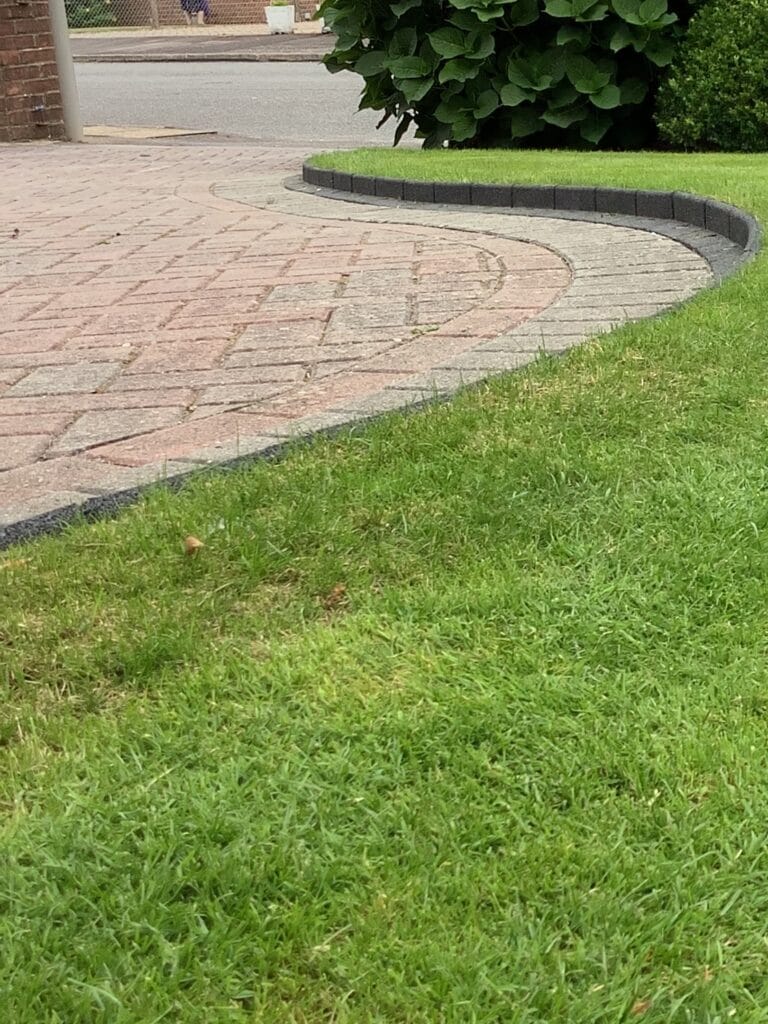
Garden edging is an important feature that can have a significant impact on both the appearance and functionality of your outdoor space. While plants, lawns, and pathways often receive the most attention, the edging is what helps create clear boundaries and bring the overall design together. This means that the right edging can improve the structure of your garden, make maintenance easier, and provide a neat, professional finish. However, with a range of materials, styles, and designs available, choosing the most suitable option can sometimes feel challenging. So, what should you consider when choosing edging for gardens?
Think about the style of your garden
One of the first things to consider is the overall style of your garden. Different edging materials can create very different visual effects, so it is important to choose an option that complements the existing design.
For example, natural stone edging may suit a traditional or cottage-style garden, while flexible rubber edging can create an attractive and more contemporary appearance, while also following shapes and creating curves.
As a result, choosing edging that works with the character of your garden can help create a more cohesive and attractive outdoor space.
Consider the purpose of the edging
Garden edging can serve a variety of purposes, so it is worth thinking about exactly what you want it to achieve. For example, in some gardens, edging is mainly used to create a decorative border and improve appearance. In others, it may be needed to separate lawns from flower beds, contain gravel, or support the edges of pathways. This means that if you know what you want the edging to achieve, you are in a better position to choose the product that will best suit your needs or goals.
Choose a suitable material
The material you choose will influence both the appearance and performance of your garden edging. Different materials offer different benefits and may be more suitable for certain applications.
Stone and brick edging are often valued for their durability and timeless appearance. Timber can blend naturally into planting schemes but does require more maintenance over time. Flexible rubber edging offers the durability of stone and brick, while being easier to install and perfectly suited to both curved garden borders and straight, professional edging.
Think about durability
Because garden edging is exposed to changing weather conditions throughout the year, durability is an important consideration. Rain, frost, strong sunlight, and regular garden maintenance can all affect how well edging performs over time. This means that choosing a durable material can help ensure the edging maintains its appearance and structural integrity for longer. If the edging will be installed in a high-traffic area or used to support pathways and borders, selecting a stronger option may be particularly beneficial.
Consider maintenance requirements
Some types of garden edging require more maintenance than others. Before making a decision, it is worth considering how much ongoing care you are prepared to undertake. Certain materials may need occasional cleaning, treatment, or repairs to keep them looking their best. Others, like flexible rubber edging, require very little attention once installed.
Think about the shape of your borders
The layout of your garden can also influence the type of edging that works best. Straight borders may suit a wide range of materials, but curved borders can sometimes require more flexible solutions.
Flexible garden edging can be particularly useful when creating flowing shapes, circular planting beds, or winding pathways. It allows you to follow the natural contours of the garden while still maintaining a clear and defined edge.
So, what should you consider when choosing edging for gardens?
Choosing the right garden edging involves considering the style of your garden, the purpose of the edging, its durability, maintenance requirements, and the shape of your borders. The right edging can enhance the appearance of your outdoor space, improve organisation, and help keep your garden looking neat and well-maintained throughout the year.
