
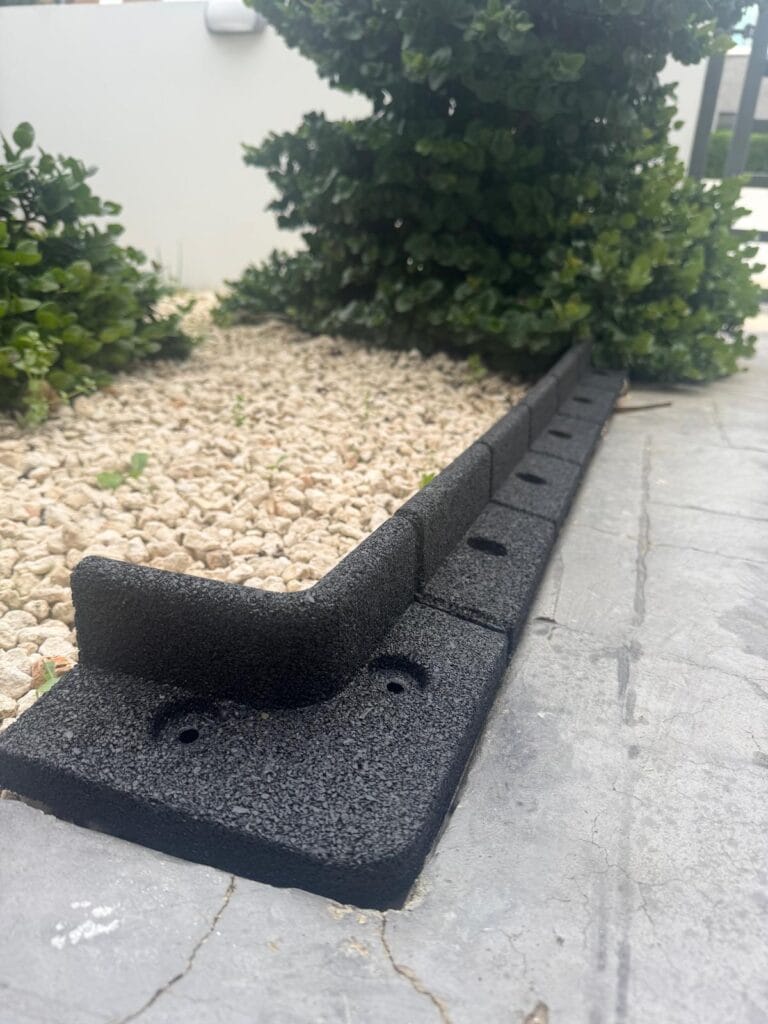
Garden path edging is an important feature that can have a significant impact on both the appearance and practicality of your outdoor space. While the surface of the path often receives the most attention, the edging is what helps define, support, and protect it over time. This means that without proper edging, even a well-designed garden path can begin to lose its shape and look untidy. By contrast, a clearly edged path creates structure, improves durability, and helps tie the entire garden together. But how can you create the right result with your garden path edging? And how important is garden path edging?
Defining the shape of the path
One of the main roles of garden path edging is to create a clear boundary. Edging separates the path from surrounding areas such as lawns, flower beds, or gravel, helping the layout of the garden feel more organised. On the other hand, without a defined edge, the borders of the path can quickly become blurred. Grass may spread onto the surface, soil can spill over, and loose materials may begin to shift beyond the intended area.
Improving the overall appearance of the garden
Garden path edging can create visual balance in any outdoor space. Clean edges create contrast between different areas of the garden, allowing each feature to stand out more clearly. This means that even a simple path can look far more refined when the borders are neat and consistent. Edging also helps create smoother transitions between materials, making the garden feel more cohesive overall. This is especially important in gardens where paths are used to guide movement through planting areas or connect separate zones together.
Supporting the structure of the path
Edging also plays an important structural role. Over time, paths can begin to shift due to weather conditions, foot traffic, or natural ground movement. Without edging to support the perimeter, the outer edges of the path may spread or sink slightly. This can eventually lead to uneven surfaces and a less stable structure. However, a strong edge helps contain the base materials beneath the path and keeps everything in place. This support is particularly important for paths made from gravel, paving, or other loose materials.
Making maintenance easier
Another reason garden path edging is important is that it simplifies routine garden maintenance. A clearly defined edge creates a guide for mowing and trimming, helping you achieve a cleaner finish with less effort.
Edging also reduces the amount of grass and weeds spreading into the path, making it easier to keep the surface tidy.
By helping to contain materials and maintain shape, edging lowers the amount of corrective work needed throughout the year. This allows you to spend less time on upkeep and more time enjoying the garden.
Why flexible garden edging can be beneficial
Flexible garden edging can be particularly useful for garden paths, especially when the design includes curves or changing shapes. Because it bends easily, it allows you to create smooth, flowing borders without forcing the path into rigid lines. This flexibility makes it easier to achieve a natural finish while still maintaining a clear and durable edge.
So how important is garden path edging?
Although it may seem like a minor detail, garden path edging is essential for both the appearance and performance of your outdoor space. It creates structure, supports durability, and helps your garden remain neat and easy to maintain. By choosing the right edging and ensuring it is installed properly, you can create paths that look more refined and continue to perform well throughout the year.
