
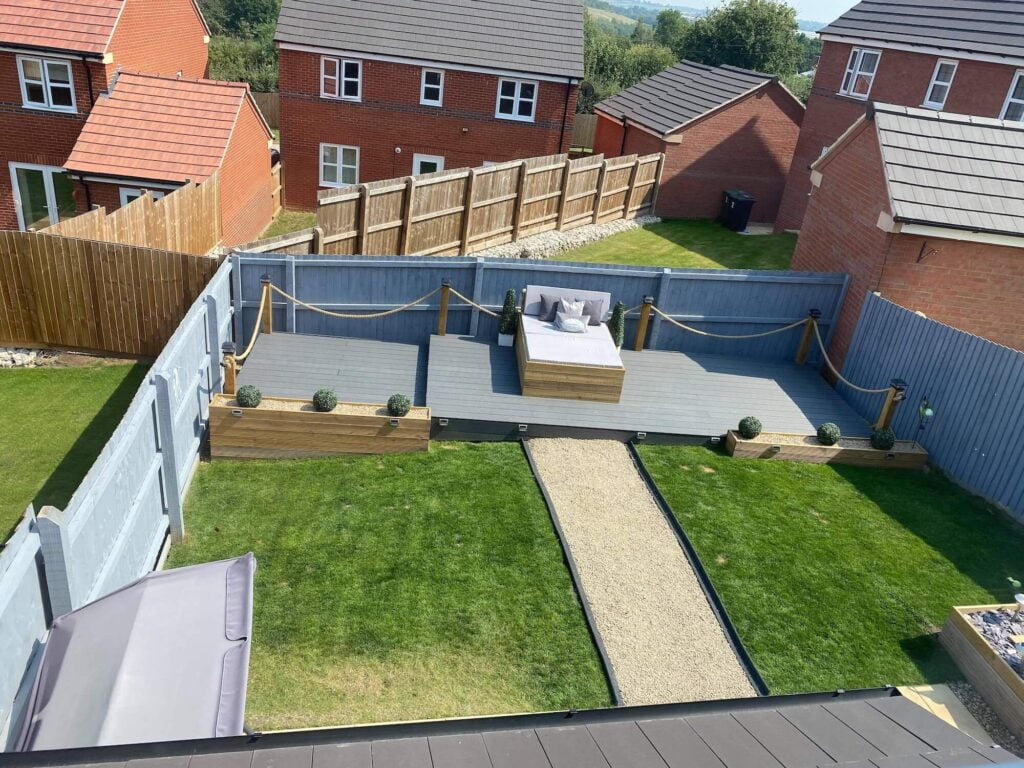
Garden paths play an important role in the structure of your outdoor space. They guide movement, connect different areas and help create a cohesive outdoor space. However, even a well-designed path can quickly lose its impact if the edges become blurred or poorly maintained. This is why the right edging is so important. But what are the benefits of effective garden path edging? And what can you expect?
Creating clear structure in the garden
One of the most noticeable benefits of garden path edging is the sense of structure it brings to an outdoor space. Without defined edges, paths can appear unfinished or temporary. Soil may spill into the walkway, grass may creep across the surface and loose materials can spread into surrounding beds.
Edging creates a clear boundary that separates the path from other elements of the garden. This boundary makes the design feel more intentional and organised.
Clear edges also help frame planting schemes. When borders are neatly contained, flowers, shrubs and ornamental grasses stand out more effectively.
In larger gardens, this sense of organisation is particularly valuable. Defined paths make the landscape easier to navigate and ensure that different zones remain visually distinct.
Keeping path materials in place
Many garden paths rely on loose or semi-loose materials such as gravel, bark or decorative aggregates. These surfaces can create a natural and attractive look, but they also have a tendency to shift over time.
Without edging, these materials gradually spread beyond the intended path area. Gravel may scatter into nearby lawns, while bark can migrate into planting beds after heavy rain or foot traffic. This movement not only looks untidy but can also reduce the depth and effectiveness of the path surface.
Edging acts as a containment barrier that holds these materials in place. By preventing gradual movement, it helps the path retain its original width and shape. This containment also ensures that the surface remains stable and comfortable to walk on.
Even with more solid surfaces, such as paving slabs or stepping stones, edging provides important support. It helps keep surrounding soil in place and prevents erosion from undermining the edges of the path.
Reducing ongoing maintenance
Another significant advantage of effective garden path edging is the reduction in routine maintenance. When path boundaries are clearly defined, you spend less time correcting small issues that can accumulate over time.
For example, edging helps prevent grass from creeping into the path area. Lawn edges are easier to trim and mow when there is a clear physical boundary in place. This reduces the need for frequent cutting or reshaping of the path line.
Similarly, when loose materials are properly contained, you do not need to regularly sweep or redistribute them back onto the path. This makes general garden upkeep more straightforward and efficient.
Edging can also help reduce the impact of soil erosion during heavy rain. By holding soil and mulch in place, it prevents planting beds from spilling onto the path surface. This keeps the walkway cleaner and reduces the amount of clearing required after poor weather.
Overall, well-installed edging helps your garden remain tidy with less ongoing effort.
Supporting long-term path durability
Garden paths experience regular foot traffic, changing weather conditions and seasonal ground movement. Over time, these factors can cause surfaces to shift or degrade if the edges are not properly supported.
Edging provides structural reinforcement along the sides of the path. This support helps maintain the intended shape and prevents the gradual widening or distortion that can occur when materials spread outward.
For example, gravel paths maintain a more even surface when the edges are contained. Paving stones are less likely to shift when the surrounding soil is held securely in place. Even natural stepping-stone paths benefit from edging, as it stabilises the surrounding ground and keeps the layout consistent.
This structural role is especially valuable in areas with heavier use, such as main garden walkways or routes connecting patios and entrances.
By protecting the edges, you help extend the lifespan of the entire path.
Enhancing visual appeal
Beyond the practical advantages, garden path edging significantly improves the visual quality of your outdoor space. Clean, defined edges give the impression of careful planning and thoughtful design.
When the boundaries between lawn, path and planting are clearly established, the entire garden appears more organised and balanced. The path becomes a feature in its own right rather than simply a functional route.
Edging can also contribute to the style of the garden. Straight, crisp edges often suit modern or contemporary landscapes, while softer curves with rubber garden edging like FlexiBorder, may complement more naturalistic planting schemes. By shaping the path carefully, you can influence how the garden feels and how people move through it.
So what are the benefits of effective garden path edging?
Effective garden path edging offers a range of practical and aesthetic benefits. By clearly defining the boundaries of a path, edging creates structure within the garden and helps guide movement through the space. Edging also keeps path materials contained, supports the stability of the surface and reduces the amount of routine maintenance required.
To keep your garden path neat, organised and tidy, the right type of border can make a big difference. FlexiBorder is made from recycled tyres, and as such, it is durable, UV resistant and long lasting, and can also bend up to 70 degrees. Available in a range of colours, you are sure to find the right option for your garden design. Why not take a look today?
