
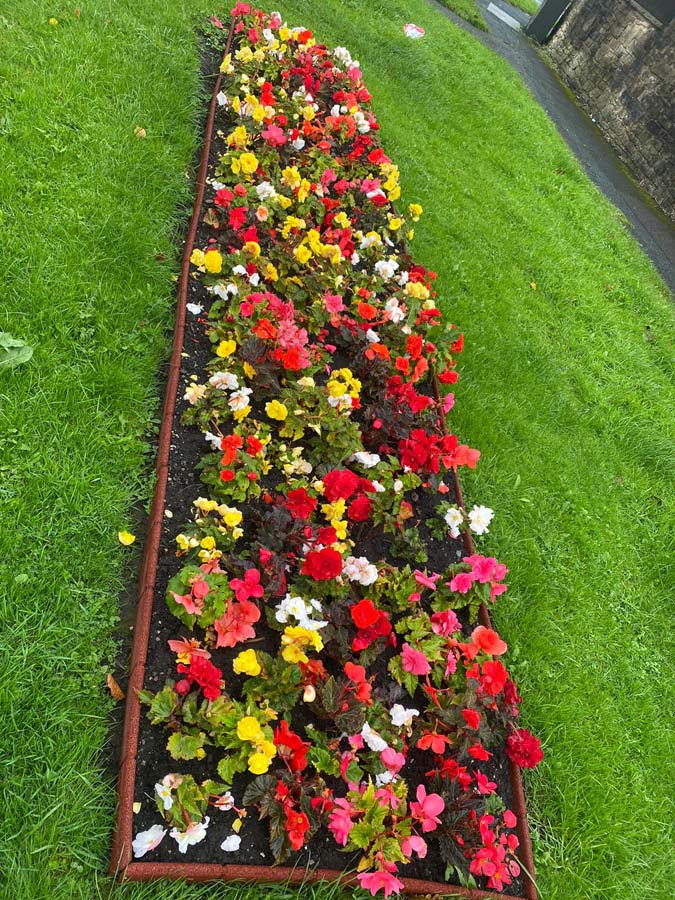
Creating a flower bed is one of the most rewarding ways to enhance your garden. A well-planned flower bed adds colour, structure, and seasonal interest while helping you make better use of your outdoor space. Just as importantly, installing the right flower bed edging helps define the space, prevents grass from spreading into the bed, and gives your garden a neat and well-organised appearance. Whether you are working with a large lawn or a small corner of your garden, careful planning, thoughtful planting, and suitable edging can transform a simple patch of ground into a focal point that improves both the appearance and the health of your planting.
Choose the right location
The first step in creating a flower bed is selecting a suitable location. Before you start digging, take time to observe how much sunlight different parts of your outdoor space receive at different times of day. Most flowering plants prefer at least six hours of sunlight each day, although some varieties thrive in partial shade. Choosing the right type of plants for your flowerbed, and the environment, is essential for long lasting, healthy plants.
You will also need to consider practical factors as well. You will want the flower bed to be easy to access for watering, pruning, and weeding. As such, placing a bed near a path, fence, or patio often helps integrate it naturally into your garden design.
You should also pay attention to drainage. Areas where water regularly collects may cause roots to rot, so it is usually better to choose slightly raised or well-draining ground.
Plan the shape and size of the flower bed
Once you have chosen the location, decide on the shape of your flower bed. The design you choose will influence the overall character of your garden.
Formal gardens often use straight lines and symmetrical layouts, while informal gardens tend to favour gentle curves and more natural shapes. Curved beds can soften the look of a lawn and create a more relaxed atmosphere.
Use a hosepipe, rope, or garden spray paint to mark the outline before digging. This allows you to step back and assess the design from different angles. Adjust the shape until it feels balanced within the surrounding space.
Try to make the bed wide enough to allow layered planting. A depth of around 60 to 90 centimetres works well for most borders, giving you room for taller plants at the back and lower plants at the front.
Install flower bed edging
Before preparing the soil or planting, it is usually best to install your flower bed edging. Edging creates a clear boundary between the bed and the surrounding lawn, path, or patio, helping your garden look tidy while also making long-term maintenance easier.
A well-installed border prevents grass from creeping into the bed and helps keep soil and mulch in place. It also makes mowing the lawn simpler, as the edge of the bed is clearly defined.
There are several materials commonly used for flower bed edging, each offering a slightly different look and level of durability. Traditional options include brick, natural stone, timber, and metal edging, which can suit both formal and informal gardens depending on how they are installed.
Flexible rubber edging has become increasingly popular because it offers a balance between durability and ease of installation. Made from recycled rubber, this type of edging can bend to follow curved borders without the need for complex cutting or shaping. With specially designed corner pieces, it can also be used to create straight borders with clean 90-degree angles.
To install edging, begin by cutting a shallow trench along the marked outline of your flower bed. Position the edging material so that the top sits slightly above ground level, then secure it according to the manufacturer’s instructions. Once it is in place, backfill soil around the edging to hold it firmly and create a stable border for the bed.
Prepare the ground
Good soil preparation is essential if you want your flower bed to thrive. As such, you should start by removing the grass or existing vegetation within the marked area. You can do this with a spade by cutting and lifting the turf.
Next, loosen the soil to a depth of around 20 to 30 centimetres. Breaking up compacted soil allows roots to grow more easily and improves drainage. At this stage, you should also remove stones, roots, and weeds. Persistent weeds such as bindweed or couch grass should be removed as thoroughly as possible.
Once the soil is clear, mix in organic matter such as compost or well-rotted manure. This improves soil structure, encourages beneficial microorganisms, and provides nutrients that support healthy plant growth.
Rake the surface until it is level and crumbly. Allowing the soil to settle for a few days before planting can help prevent uneven sinking later on.
Select plants that suit your garden
Choosing the right plants will determine how successful and attractive your flower bed becomes. Start by considering the conditions of the site, including sunlight, soil type, and moisture levels.
You may want to combine a mix of perennials, annuals, and shrubs to create interest throughout the year. Perennials provide reliable structure and return each season, while annuals offer vibrant colour during the growing months.
When planning the layout, position taller plants at the back of the bed and shorter plants towards the front. This ensures that each plant remains visible and receives adequate light.
It is also helpful to think about seasonal succession. By selecting plants that flower at different times, you can ensure the bed remains attractive from early spring through to autumn.
Plant your flower bed
Before planting, place your pots on the soil surface to experiment with spacing and arrangement. This allows you to visualise the final design and make adjustments if needed.
Once you are satisfied with the layout, dig holes slightly larger than the root balls of the plants. Carefully remove each plant from its pot and loosen the roots if they appear tightly bound.
Position the plant at the same depth it was growing in the container, then backfill the hole with soil and gently firm it in place.
Water the plants thoroughly after planting to help them settle and establish their roots.
Maintain your flower bed
After planting, regular maintenance will keep your flower bed looking its best. You should water plants during dry periods, particularly while they are becoming established.
You can also consider applying a layer of mulch around the plants, as this can help to retain moisture, suppress weeds, and improve soil quality over time.
You should also remove faded flowers and trim back plants as needed to encourage healthy growth and prolong flowering. With well-installed flower bed edging, it will also be easier to keep the bed tidy and prevent grass or soil from spreading into surrounding areas.
With thoughtful planning, suitable plants, and durable flower bed edging, your flower bed can become a lasting feature that brings colour and structure to your garden throughout the seasons.
