
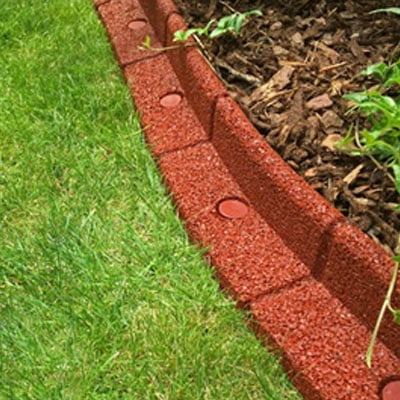
Neat lawn edging is one of the simplest ways to improve the overall appearance of your garden. Even a well-maintained lawn can look untidy if the edges are uneven or overgrown, but by keeping the borders clean and well defined, you can create a sharper finish. But when is the best time to neaten lawn edging? And why should you tick this off your to do list?
So when should you neaten lawn edging?
In most gardens, spring is the ideal time to refresh, repair, or replace edging. If you plan the work carefully at the start of the growing season, you will find it easier to maintain a tidy lawn throughout the rest of the year.
Why does lawn edging matter?
Lawn edging forms the boundary between your grass and other areas of the garden, such as flower beds, paths, or patios. When that boundary is clearly defined, the lawn will appear more structured, improving the visual impression of your garden. It will also be much easier to manage, reducing the amount of maintenance you need to put in.
Over time, grass naturally spreads beyond its original border. Without regular attention, or effective garden edging, the edges will become blurred, making the lawn look larger but less tidy. Neatening the edges restores the original shape and prevents the grass from invading planting areas.
A well-defined edge also makes mowing easier. When the lawn has a clear line to follow, you can cut more accurately and reduce the amount of trimming needed afterwards.
Why is spring a good time to neaten lawn edging?
Spring is widely considered the best time to neaten lawn edging, and there are several practical reasons for this. As temperatures begin to rise, the grass starts to grow more actively. This makes it easier to reshape the lawn and encourage a cleaner, healthier edge.
Working in early spring also allows you to deal with any damage caused by winter weather. Frost, heavy rain, and cold conditions can shift soil and loosen existing edging. By inspecting and repairing the borders at the start of the season, you can prevent small problems from becoming more noticeable later in the year.
Another advantage of spring is that the soil is usually softer and easier to work with. This makes it simpler to cut fresh edges or adjust the shape of the lawn without excessive effort. If you leave the task until summer, the ground may become too dry and compacted, which makes reshaping more difficult.
Spring also gives you time to make improvements before the garden is in full use. This means that once the growing season is underway, you can focus on routine maintenance rather than more time-consuming work.
When should you replace damaged lawn edging?
If your lawn edging has become worn or uneven, spring is the most suitable time to replace it. During the winter months, materials can shift, crack, or sink slightly into the ground. This often results in edges that no longer look straight or consistent.
By replacing damaged edging in spring, you give the lawn a fresh start. The grass has time to grow neatly alongside the new border, which helps the edge look more natural as the season progresses.
You should look for signs such as uneven lines, gaps where grass is spreading into flower beds, or sections that have become unstable. If the edging no longer holds its shape, replacing it early in the year will save you repeated adjustments later on.
Why is spring ideal for installing new lawn edging?
If you are planning to install new lawn edging, spring offers the best conditions for the work. The ground is generally moist enough to allow easy installation, but not so wet that it becomes difficult to create a clean finish.
Installing edging early in the growing season also allows the lawn to adapt gradually. As the grass grows, it begins to follow the new boundary naturally. This helps the edges remain sharper for longer and reduces the need for frequent trimming.
Spring is also a good time to adjust the overall layout of your lawn. If you want to create a more defined border around flower beds or reshape certain areas, doing so before the lawn is in full growth will give you more control over the final result.
Neaten lawn edging to transform your garden
Neatening lawn edging may seem like a small task, but it can have a significant impact on how your garden looks and feels. By focusing on the edges at the start of spring, you create a cleaner structure that makes the entire space appear more cared for.
Whether you are repairing existing borders or installing new edging, spring gives you the best conditions to achieve a lasting result.
FlexiBorder is the number one choice for lawn edging, so why not get in touch with our team today? We have a range of sizes, colours and options for you to choose from for straight forward garden edging for any garden space. FlexiBorder can also bend to a 70 degree angle, making this a fantastic option for curved landscaping features. Take a look today.
