


For any gardener, summer is one of the most rewarding times of year. Outdoor spaces are often at their most colourful, and summer is a great time to enjoy your hard work. However, warmer temperatures and longer days can also place additional stress on plants. As a result, at this time of year your watering schedule can become even more important. So when is the best time to water the garden in summer? And are there any specific schedules you should follow to help your garden flourish?
The best time to water your garden in summer
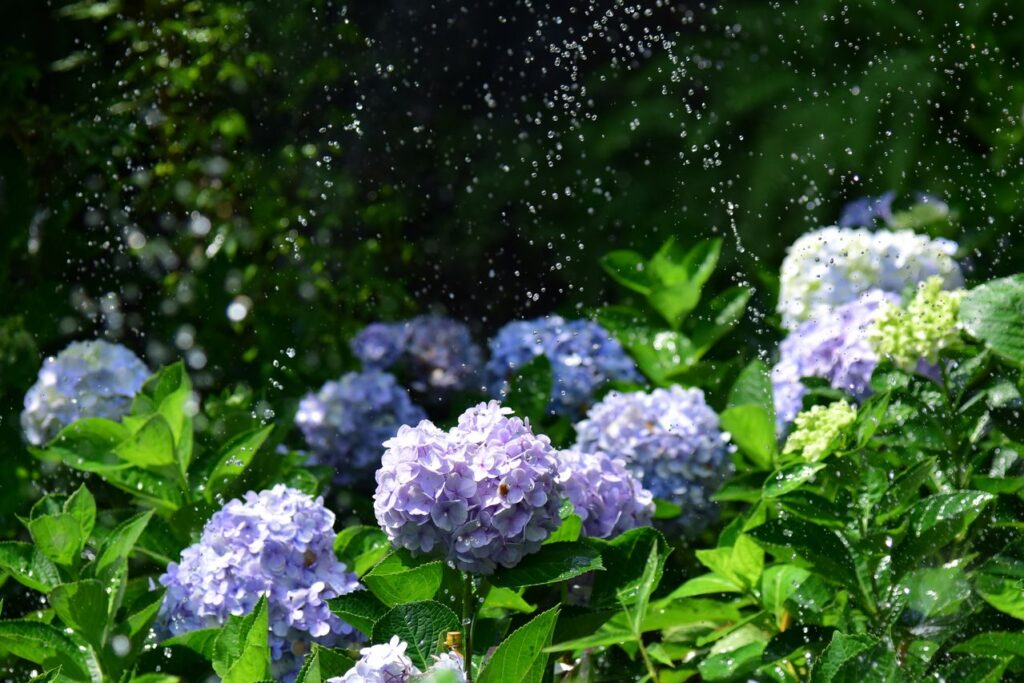
Early morning is the best time to water your garden during the summer months. This is because watering in the morning allows moisture to soak into the soil before temperatures begin to rise. It gives plants plenty of time to absorb the water they need, helping them cope with the heat of the day ahead. This helps to reduce heat stress, keeping your plants happy and your flower beds thriving.
Another advantage is that any moisture on leaves has time to dry as the day progresses. This can help reduce the risk of certain plant diseases that thrive in damp conditions.
Is evening watering a good alternative?
If watering in the morning is not possible, early evening is generally the next best option. Temperatures are lower than during the middle of the day, and this means that less water is lost to evaporation. Plants also have time to absorb moisture before the next day’s heat.
However, it is usually best to avoid watering too late at night. This is because leaves and soil that remain damp for extended periods can create favourable conditions for fungal diseases and other garden problems.
Why should you avoid watering during the hottest part of the day?
Some people presume that plants need water most when the sun is at its strongest. But while plants may look wilted during hot afternoons, watering at this time is often less effective. This is because the high temperatures cause water to evaporate quickly, meaning less reaches the roots. This can result in unnecessary water waste and reduced benefits for your plants.
As a result, whenever possible, you should avoid watering during the middle of the day, particularly during periods of intense sunshine.
How often should you water in summer?
The frequency of watering depends on a range of factors such as weather conditions, soil type, and the plants in your garden. As a general rule, it is better to water deeply and less frequently than to water lightly every day. This is because deep watering encourages roots to grow further into the soil in search of moisture, helping plants become more resilient during dry spells. On the other hand, shallow watering often leads to weaker root systems because moisture remains near the surface.
Before watering, it’s a good idea to check the soil a few centimetres below the surface. If it still feels moist, additional watering may not be necessary.
Which areas of the garden need the most attention?
Not all parts of the garden require the same amount of water. Newly planted flowers, shrubs, and trees for example, often need more frequent watering because their root systems are still becoming established. Containers and hanging baskets can also dry out much faster than flower beds, particularly during hot weather.
As a result, you should pay particular attention to flower beds, vegetable gardens, and container plants, as these areas tend to show signs of drought stress first.
Should you water lawns during summer?
Many lawns naturally slow their growth during hot weather and may turn slightly brown in prolonged dry periods. This is often a protective response rather than a sign of permanent damage. If water supplies are limited, it is usually better to prioritise flower beds, vegetables, and newly planted areas over established lawns.
If you do choose to water your lawn, a thorough soak once or twice a week is generally more effective than frequent light watering. For more detailed summer lawn care, check out our detailed guide.
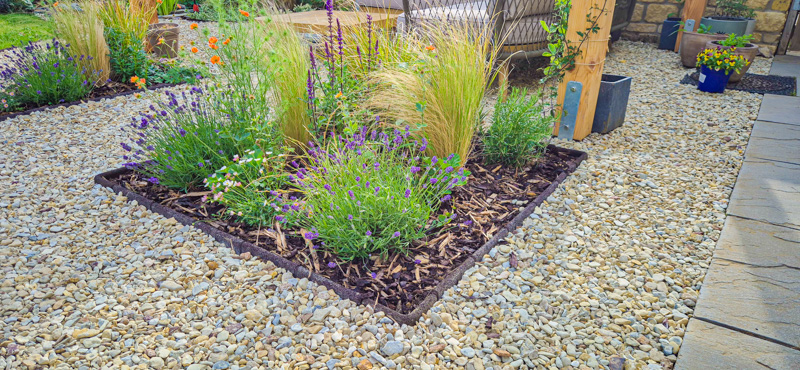
Flexible edging can keep mulch and soil in place,
How can you reduce water loss when watering your garden?
One of the best ways to conserve water during summer is by applying mulch around plants and flower beds. This is because mulch helps to retain soil moisture by reducing evaporation from the surface. It can also help regulate soil temperatures and suppress weeds that compete with plants for water.
In addition to mulch, the right border edging can also make a big difference to water management. Flexible edging for example can keep mulch and soil in place, making it easier to maintain moisture levels throughout the season. It can also prevent water run-off, meaning that more of your water will soak into the soil, nurturing your plants.
What other garden care tasks are important in summer?
While watering is essential, there are several other tasks that can help keep your garden healthy during the warmer months. These include:
- Deadheading flowers: Removing spent blooms encourages many flowering plants to produce more flowers and helps keep beds and containers looking their best.
- Controlling weeds: Weeds compete with garden plants for water and nutrients. Removing them regularly can help ensure your plants receive the resources they need.
- Mowing carefully: During dry periods, consider raising the cutting height of your mower slightly. Longer grass blades help shade the soil and reduce moisture loss from the lawn.
- Checking container plants daily: Pots and hanging baskets can dry out quickly during hot weather. These may require more frequent watering than plants growing directly in the ground.
A healthy garden starts with smart summer care
The best time to water your garden in summer is usually early in the morning, when plants can make the most of the moisture and evaporation is kept to a minimum. If morning watering is not practical, early evening can also be effective. Alongside proper watering, regular maintenance such as mulching, weeding, deadheading, and monitoring plant health will help your garden thrive throughout the warmer months.