
How to Keep My Lawn Green in Summer: Practical Tips That Actually Work
Every year, thousands of UK homeowners watch their lush green grass turn yellow, patchy, or dry during warmer weather.
The good news is that a healthy lawn can stay green throughout summer, even during periods of hot and dry weather. The key is understanding what your grass needs and avoiding some of the common mistakes that can do more harm than good.
In this guide, we’ll explain exactly how to keep your lawn green in summer using proven techniques recommended by lawn care professionals and gardening organisations.
Water Deeply Rather Than Frequently
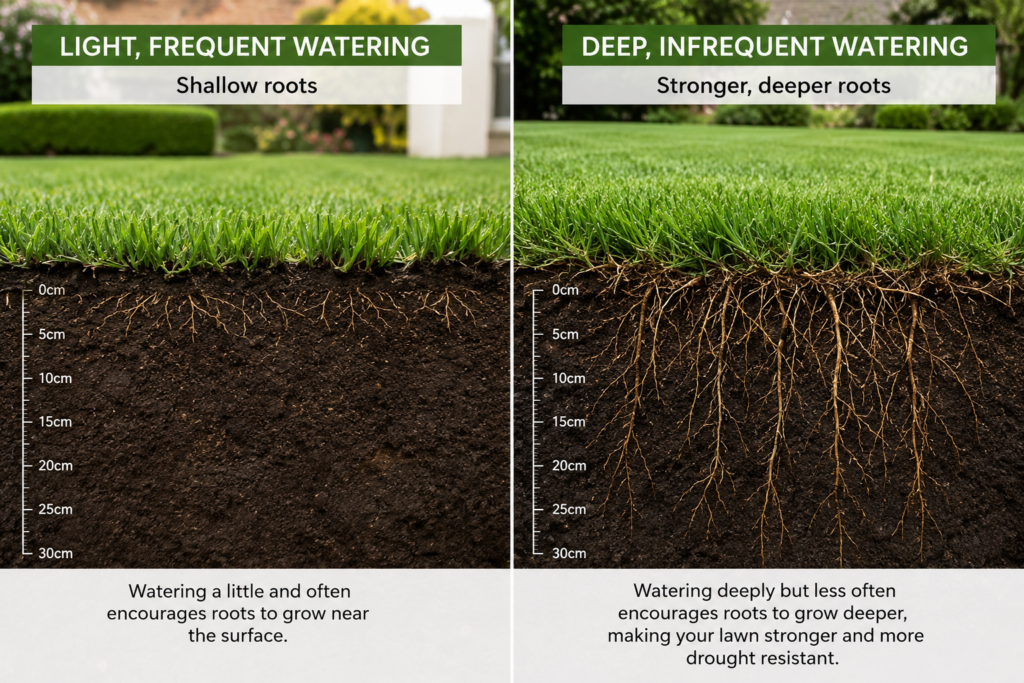
One of the biggest mistakes people make is watering their lawn a little, and often.
Light watering encourages shallow root growth, making grass more vulnerable during hot weather. Instead, water thoroughly once or twice per week, allowing moisture to penetrate deeper into the soil.
According to the Royal Horticultural Society (RHS), established lawns can generally tolerate dry conditions better than many people realise, provided they have developed strong root systems.
For the best results:
- Water early in the morning.
- Avoid watering during the hottest part of the day.
- Apply enough water to soak the soil beneath the turf.
- Reduce watering during periods of rainfall.
How Long Should You Leave a Hosepipe on to Water Grass Deeply?
There is not one fixed answer because it depends on your water pressure, hose diameter, soil type, how dry the ground is, and whether you are using a sprinkler or an open hose.
For a typical UK lawn, you want water to reach around 10-15cm deep into the soil. This helps encourage deeper grass roots and makes your lawn more resilient during hot weather.
Quick Test
After watering, push a screwdriver, trowel or garden fork into the lawn.
- If the soil is only wet in the top 2-5cm, you have not watered enough.
- If it is moist down to 10-15cm, you have watered sufficiently.
General Guidelines
Using a sprinkler: 30-60 minutes per area is usually needed for deep watering.
Using an open hose: Around 15-30 minutes per square metre may be needed if moving the hose slowly around the lawn.
How Much Water Does Grass Need?
Most lawns need around 25mm of water per week, including rainfall. This is approximately 25 litres of water per square metre.
A simple way to measure this is to place a few empty tuna tins or straight-sided containers on the lawn while watering. Once they contain around 25mm of water, you have applied enough.
During a UK Heatwave
Water deeply 1-2 times per week rather than lightly every day. Light daily watering encourages shallow roots, while deep watering helps grass roots grow further into the soil.
Best Time to Water
The best time to water your lawn is early morning, ideally between 5am and 9am.
Avoid watering in the middle of the day because more water is lost through evaporation. Late evening watering can sometimes encourage fungal problems.
Simple Rule of Thumb
For an established lawn, 45-60 minutes with a sprinkler once or twice a week is usually more effective than 10 minutes every day.
Raise Your Mowing Height
If you’re wondering how to keep grass green in summer, your lawn mower settings can make a huge difference.
Cutting grass too short places additional stress on the lawn and increases moisture loss.
During summer:
- Raise your mower height slightly.
- Never remove more than one-third of the grass blade at a time.
- Leave slightly longer grass during hot spells.
Longer grass shades the soil, helping retain moisture and encouraging deeper root development.
Feed Your Lawn Correctly
A healthy lawn requires nutrients throughout the growing season.
If your grass looks pale or lacks vigour, applying a suitable summer lawn feed can help maintain a rich green appearance.
The experts at Gardeners’ World recommend feeding lawns during active growth periods while avoiding excessive nitrogen applications during drought conditions.
Always follow the manufacturer’s instructions when applying lawn fertiliser.
Aerate Compacted Soil
Compacted soil prevents water, oxygen and nutrients from reaching grass roots.
If parts of your lawn remain dry despite regular watering, compaction may be the problem.
Using a garden fork or lawn aerator can:
- Improve drainage.
- Increase oxygen levels.
- Encourage deeper rooting.
- Improve overall lawn health.
Control Weeds Before They Compete With Your Grass
Weeds compete directly with your lawn for water and nutrients.
Keeping weeds under control helps your grass make the most of available resources during summer.
Regular maintenance, healthy mowing practices and prompt weed removal can significantly improve the appearance and resilience of your lawn.
Define Lawn Edges for a Healthier Looking Garden
While edging won’t directly make grass greener, it can dramatically improve the overall appearance of your lawn.
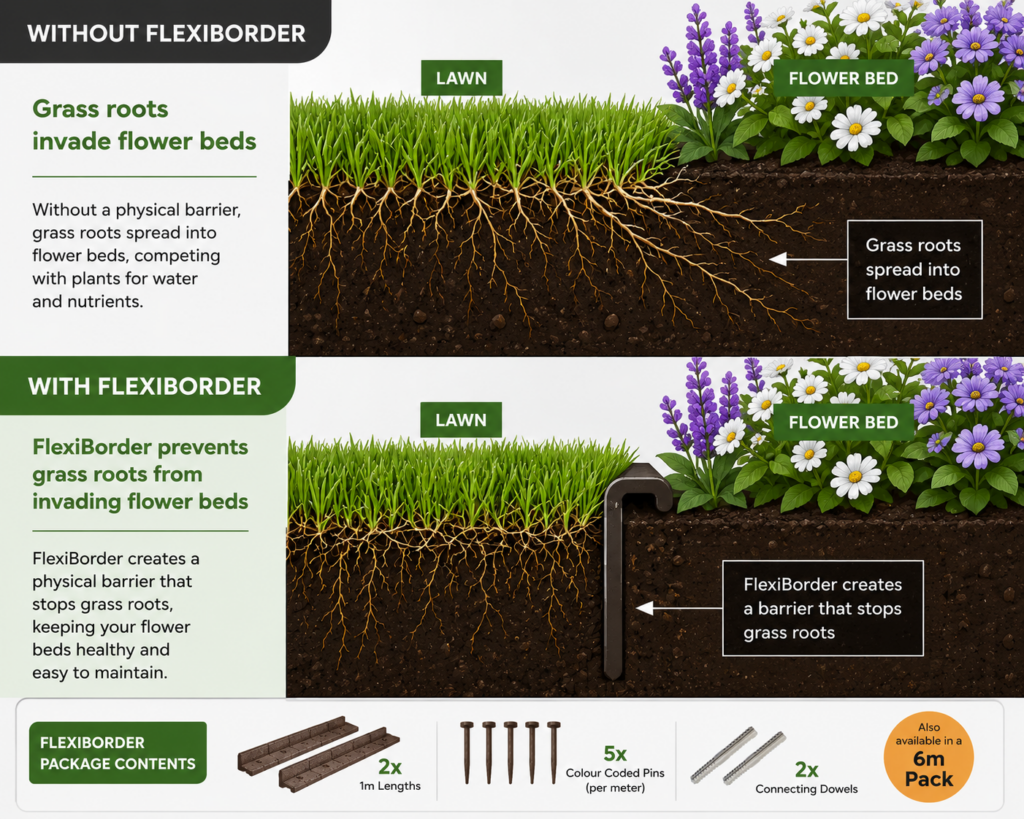
Clearly defined lawn edges create a sharper finish, prevent grass from creeping into flower beds and make mowing easier.
At FlexiBorder, we’re passionate about lawns, gardens and creating outdoor spaces that are easy to maintain.
We developed our flexible lawn edging system to help gardeners create neat, professional-looking borders while reducing maintenance time.
A well-defined lawn not only looks healthier, but it also allows you to manage grass growth more effectively around flower beds, paths and garden borders.
Using FlexiBorder correctly can actually reduce water seepage and ensures water stays in your flower patches AND massively helps prevent grass roots from spreading into your flower beds by stopping the grass roots from spreading into them.
Mulch Flower Beds to Reduce Water Competition
Many homeowners focus entirely on their lawn and forget that the surrounding planting areas can affect its health.
Applying mulch to flower beds helps retain soil moisture and reduces water competition between plants and your grass.
This can be particularly beneficial during prolonged periods of dry weather.
Support the Environment While Improving Your Garden
At FlexiBorder, we don’t see ourselves as simply a garden edging company.
We’re genuine lawn and garden enthusiasts who care about helping people create attractive outdoor spaces while reducing environmental impact.
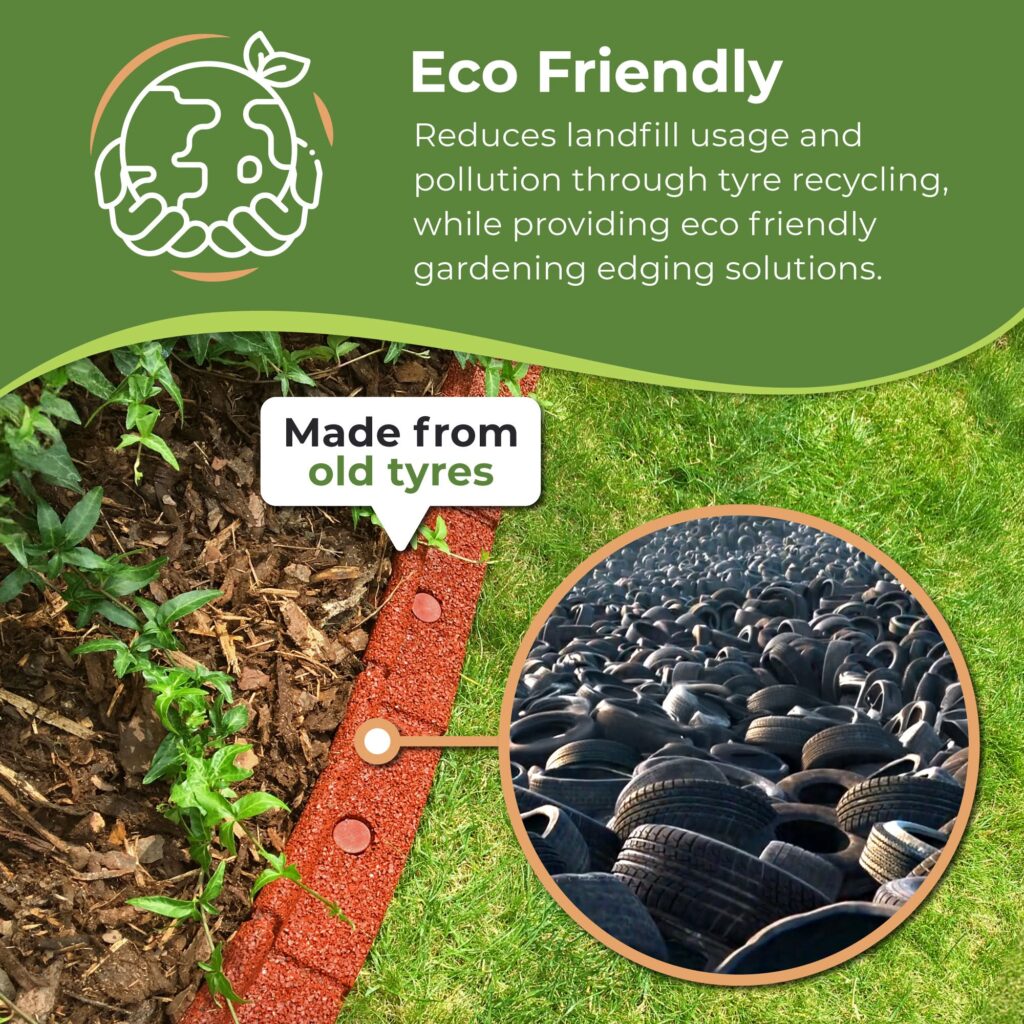
That’s why our products are manufactured using recycled rubber from tyres that might otherwise end up in landfill.
Every metre of edging helps give discarded materials a useful second life while providing gardeners with a durable and long-lasting solution.
You can learn more about our commitment to sustainability and environmentally responsible gardening by reading our guide to eco-friendly garden edging options.
How to Keep Your Lawn Green in Summer: The Key Takeaways
If you’re looking for the simplest answer to how to keep my lawn green in summer, focus on these fundamentals:
- Water deeply and less frequently.
- Raise your mowing height during hot weather.
- Feed your lawn appropriately.
- Aerate compacted soil.
- Control weeds before they spread.
- Mulch nearby planting areas.
- Maintain neat lawn edges.
By following these steps, you’ll give your lawn the best chance of remaining healthy, resilient and green throughout the summer months.
-
Sale!

FlexiFlood Flood Defence Blocks
Price range: £35.00 through £1,680.00 Select options This product has multiple variants. The options may be chosen on the product page -

Brown FlexiBorder
Price range: £34.99 through £1,259.99 Select options This product has multiple variants. The options may be chosen on the product page -

Grey Flexiborder
Price range: £34.99 through £1,259.99 Select options This product has multiple variants. The options may be chosen on the product page -

Sage FlexiBorder
Price range: £34.99 through £1,259.99 Select options This product has multiple variants. The options may be chosen on the product page -

Green FlexiBorder
Price range: £34.99 through £1,259.99 Select options This product has multiple variants. The options may be chosen on the product page -

Black FlexiBorder
Price range: £34.99 through £1,259.99 Select options This product has multiple variants. The options may be chosen on the product page -
FlexiBorder Inside Corner Box of 2 Sage
£35.99 Add to basket -

Sage Spare Pegs
£3.95 Add to basket -
FlexiBorder Outside Corner Box of 2 Black
£35.99 Add to basket -
FlexiBorder Inside Corner Box of 2 Black
£35.99 Add to basket -
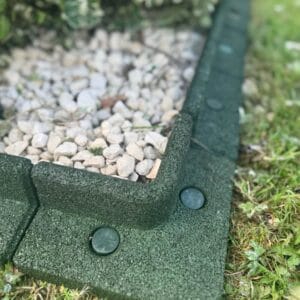
FlexiBorder Outside Corner Box of 2 Green
£35.99 Add to basket -
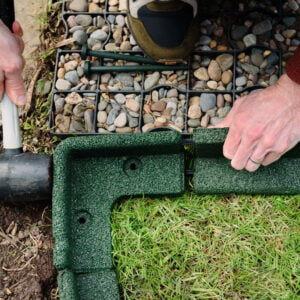
FlexiBorder Inside Corner Box of 2 Green
£35.99 Add to basket -
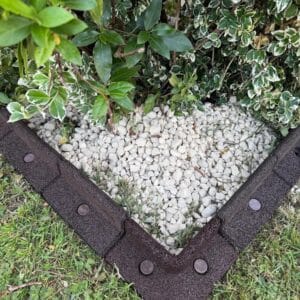
FlexiBorder Outside Corner Box of 2 Brown
£35.99 Add to basket -

FlexiBorder Inside Corner Box of 2 Brown
£35.99 Add to basket -
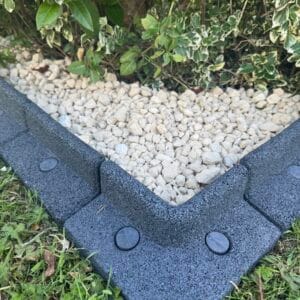
FlexiBorder Outside Corner Box of 2 Grey
£35.99 Add to basket -
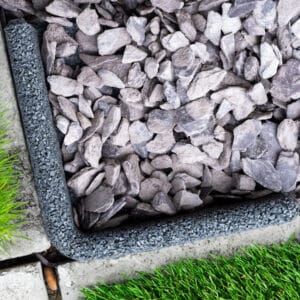
FlexiBorder Inside Corner Box of 2 Grey
£35.99 Add to basket
